
Top-Rated Foundation Repair Products for Professional Results
Access high-quality solutions used by experts to ensure durable and long-lasting foundation repairs.
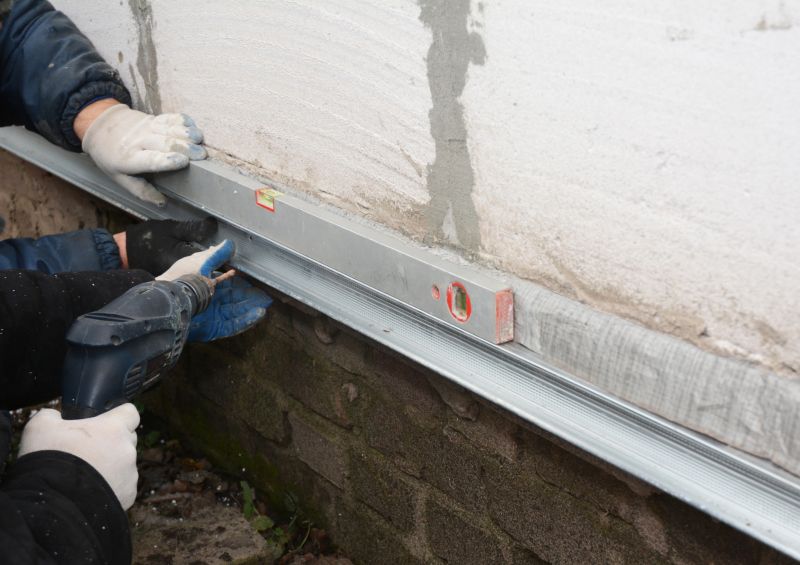 Foundation repairs are a critical aspect of maintaining the structural integrity of a building, especially in regions like Mount Juliet, TN, where soil conditions can influence foundation stability. Selecting the appropriate products for foundation repair involves understanding the various options available to address different types of foundation issues such as settling, cracking, or shifting. These products are designed to reinforce, lift, or stabilize foundations, helping to prevent further damage and ensuring safety for occupants.
Top Overall Option
Polyurethane Foam Injection System
Polyurethane foam injection systems are versatile and non-invasive options for stabilizing and lifting settled or cracked foundations. These systems work by injecting expanding foam beneath the foundation to fill voids and lift the structure gradually. They are suitable for a range of foundation types and can be used for minor to moderate repairs, offering a quick application process with minimal disruption. The durability and adaptability of polyurethane foam make it a popular choice among professionals for targeted foundation stabilization.
Types of Products For Foundation Repairs
Push Piers
Push piers are steel supports driven into stable soil beneath the foundation to provide permanent stabilization and lift. They are often used for severe settlement issues and can be installed with minimal excavation.
Helical Piers
Helical piers feature helical plates that allow them to be screwed into the ground, providing support for foundations on difficult soil conditions or where access is limited.
Mudjacking / Slab Jacking
This method involves injecting a slurry mixture beneath concrete slabs to lift and level sunken areas, commonly used for driveways and patios.
Polyurethane Foam Injection
A non-invasive approach that uses expanding foam to fill voids and lift foundations, suitable for minor to moderate repairs.
Carbon Fiber Straps
Applied to interior walls, these straps reinforce cracked or bowing walls, helping to prevent further movement.
Soil Stabilization Products
Chemical or mechanical agents used to improve soil conditions around the foundation, reducing settlement risks.
Underpinning Systems
A comprehensive approach involving various support methods to strengthen and stabilize the foundation, often used in extensive repairs.
Foundation Sealants
Sealants and waterproofing membranes help prevent water infiltration that can weaken the foundation over time.
Drainage Systems
Proper drainage solutions divert water away from the foundation, reducing pressure and erosion risks.
Crack Repair Kits
These kits include materials and tools for sealing small cracks in foundation walls and slabs.
Popular Choices
Widely used for stabilizing severely settled foundations, push piers are a common choice among repair professionals.
Ideal for challenging soil conditions, helical piers are gaining popularity for their ease of installation.
A favored method for quick, minimally invasive repairs, especially for minor foundation issues.
Often selected for leveling concrete slabs, this technique offers a cost-effective solution.
Increasingly used to reinforce interior walls, carbon fiber straps are popular for their strength and ease of application.
Popular in areas with loose or shifting soil, these products help improve ground stability.
Effective drainage systems are commonly installed to protect foundations from water-related damage.
Sealing cracks and sealing basement walls remain common preventive measures.
Used for extensive foundation support, underpinning piles are a frequent choice for deep stabilization.
Applied to exterior or interior surfaces, waterproofing membranes are popular for long-term moisture protection.
When considering foundation repair products, it's important to evaluate the specific needs of your property. Factors such as the extent of damage, foundation type, and underlying soil conditions all play a role in determining the most suitable solutions. Many products are engineered for ease of installation and durability, offering homeowners and contractors versatile options to address common foundation problems.
Proper application and compatibility with existing structures are essential for achieving effective results. Consulting with a foundation specialist can help identify the most appropriate products and techniques for your situation. While DIY repairs may be feasible for minor issues, complex or extensive damage often warrants professional assessment and installation to ensure safety and long-term stability.
Investing in quality foundation repair products can provide peace of mind by supporting the structural health of your property. Whether you are addressing minor cracks or major shifts, understanding the variety of available products enables informed decision-making and effective repair strategies tailored to your specific needs.
Key Buying Considerations
- Assess the extent and type of foundation damage to determine suitable repair options.
- Consult with a foundation specialist to identify underlying soil conditions and appropriate solutions.
- Consider the longevity and durability of the repair products used.
- Evaluate whether the repair method is minimally invasive or requires extensive excavation.
- Check the compatibility of repair products with your existing foundation materials.
- Review the installation process and whether professional assistance is recommended or required.
- Factor in the time required for repair and any potential disruption to your property.
- Ensure that the products comply with local building codes and safety standards.
- Consider the cost-effectiveness of different repair options relative to the extent of damage.
- Look for products that offer warranties or guarantees for added peace of mind.
- Determine if the repair method addresses water management and drainage issues.
- Research the availability of replacement parts or additional support for ongoing maintenance.
- Examine the ease of future inspections and monitoring of foundation health.
- Prioritize products with proven performance in similar soil and climate conditions.
- Think about the environmental impact, if relevant, and choose reputable, safe materials.